Facebook
 X
X
 Pinterest
 Copy Link
How to Protect Your Home from Probate with a Living Trust
If you own a home, you likely want to protect it for your family. Yet many homeowners do not realize that their home could go through probate when they pass away. Probate can be slow, costly, and stressful for loved ones.
Fortunately, there are simple ways to avoid this. By setting up a living trust or other estate tools, you can protect your home and make the transfer smooth.
In this guide, I will break it down in plain English so you can take the next step with confidence.
What Is Probate and Why Should You Avoid It?
Probate is the legal process of distributing a person’s assets after they pass away. While it sounds simple, it often causes delays and extra costs.
For example:
- Probate can take months or even years
- Court fees and legal costs can add up quickly
- Your estate becomes part of the public record
Because of this, many homeowners look for ways to avoid probate altogether.
What Is a Living Trust?
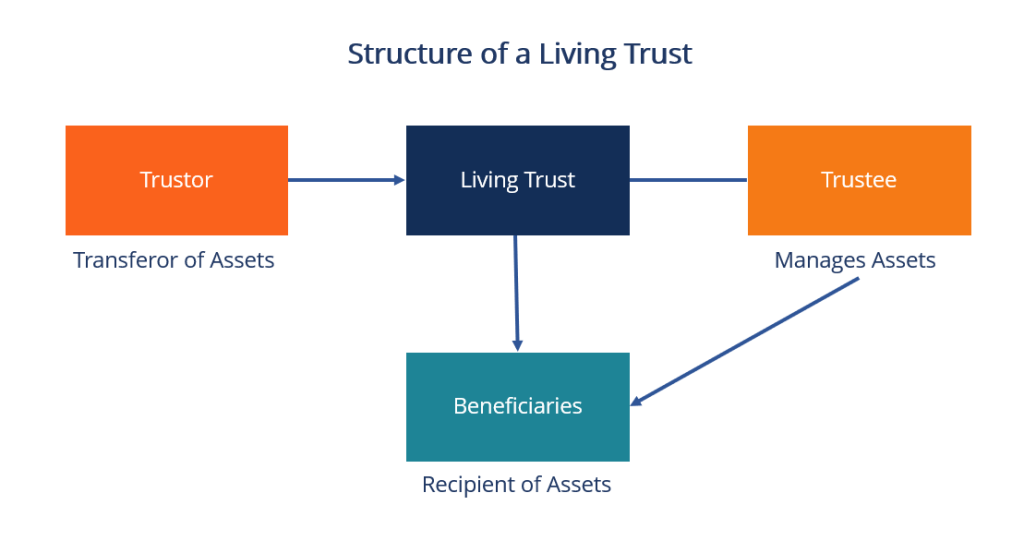
A living trust is one of the most effective tools to avoid probate.
Simply put, it is a legal document that holds your assets—such as your home—while you are alive. Then, when you pass away, those assets transfer directly to your beneficiaries without court involvement.
Key Benefits of a Living Trust
- ✅ Avoids probate completely
- ✅ Keeps your affairs private
- ✅ Allows faster transfer to heirs
- ✅ Gives you control while you are alive
In addition, you can still live in and manage your home as usual.
How About a Living Will?
A living will is different. It focuses on healthcare decisions rather than property.
However, it still plays an important role in your overall plan. It ensures your wishes are respected if you cannot make decisions yourself.
That said, a living will alone does not prevent probate. You will need a trust or similar structure for your home.
Other Ways to Avoid Probate for Your Home
While a living trust is the most popular option, there are a few other methods worth knowing.
1. Transfer-on-Death (TOD) Deed
In some states, you can name a beneficiary who will receive your home when you pass away.
- Easy to set up
- Avoids probate
- Limited flexibility compared to a trust
2. Joint Ownership
If you own your home jointly with someone, it may transfer automatically.
However, this approach comes with risks, especially in cases of disputes or creditors.
3. Estate Planning Combinations
In many cases, the best plan uses a mix of tools, including:
- Living trust
- Will
- Power of attorney
Because every situation is different, it helps to get professional advice.
Why This Matters for Homeowners in Los Angeles and California

In California, probate can be especially expensive due to statutory fees based on the value of the estate.
For homeowners, this is critical because:
- Home values are often high
- Fees increase as property value rises
- Delays can create hardship for families
As a result, planning ahead can save your loved ones time and money.
How to Get Started
If you want to protect your home, take these simple steps:
- Review your current ownership structure
- Talk with an estate planning attorney
- Consider setting up a living trust
- Update your documents over time
Even small steps today can make a big difference later.
Final Thoughts
Planning for the future may feel overwhelming. However, it does not have to be complicated. By understanding your options, you can make smart, confident choices.
A living trust is one of the most effective ways to protect your home and avoid probate. At the same time, pairing it with a full estate plan can give you complete peace of mind.
Frequently Asked Questions
A) Do I need a trust if I have a will?
Yes. A will still goes through probate. A trust helps you avoid it.
B) Can I put my house into a trust after I buy it?
Absolutely. You can transfer your property into a trust at any time.
C) Is a trust expensive to set up?
It costs more upfront than a will. However, it often saves money by avoiding probate fees, which are costly.
Work With a Local Real Estate Expert
If you’re thinking about how estate planning affects your home, I can help guide you. I’ve sold properties under a trust, which helped avoid probate court and ensured a smooth transaction process.
Whether you are buying, selling, or planning ahead, I am here as a resource.
👉 Visit johnnyaragonhomes.com to learn more or connect with me directly.
Consumer Finance: https://www.consumerfinance.gov/ask-cfpb/what-is-a-revocable-living-trust-en-1775/
Selling Your Home: https://johnnyaragonhomes.com/sellingyourhome